The Cancun issue
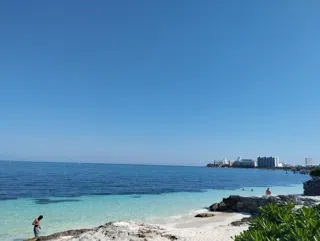
Cancun's calm bay beaches from Langosta to Caracol
Some Hotel Zone beaches have water flat enough for a toddler and others have real waves. Which one you pick matters, and some days it's worth taking the ferry instead of staying on Cancún's sand.
By Maja LindqvistThe city past the hotel zone
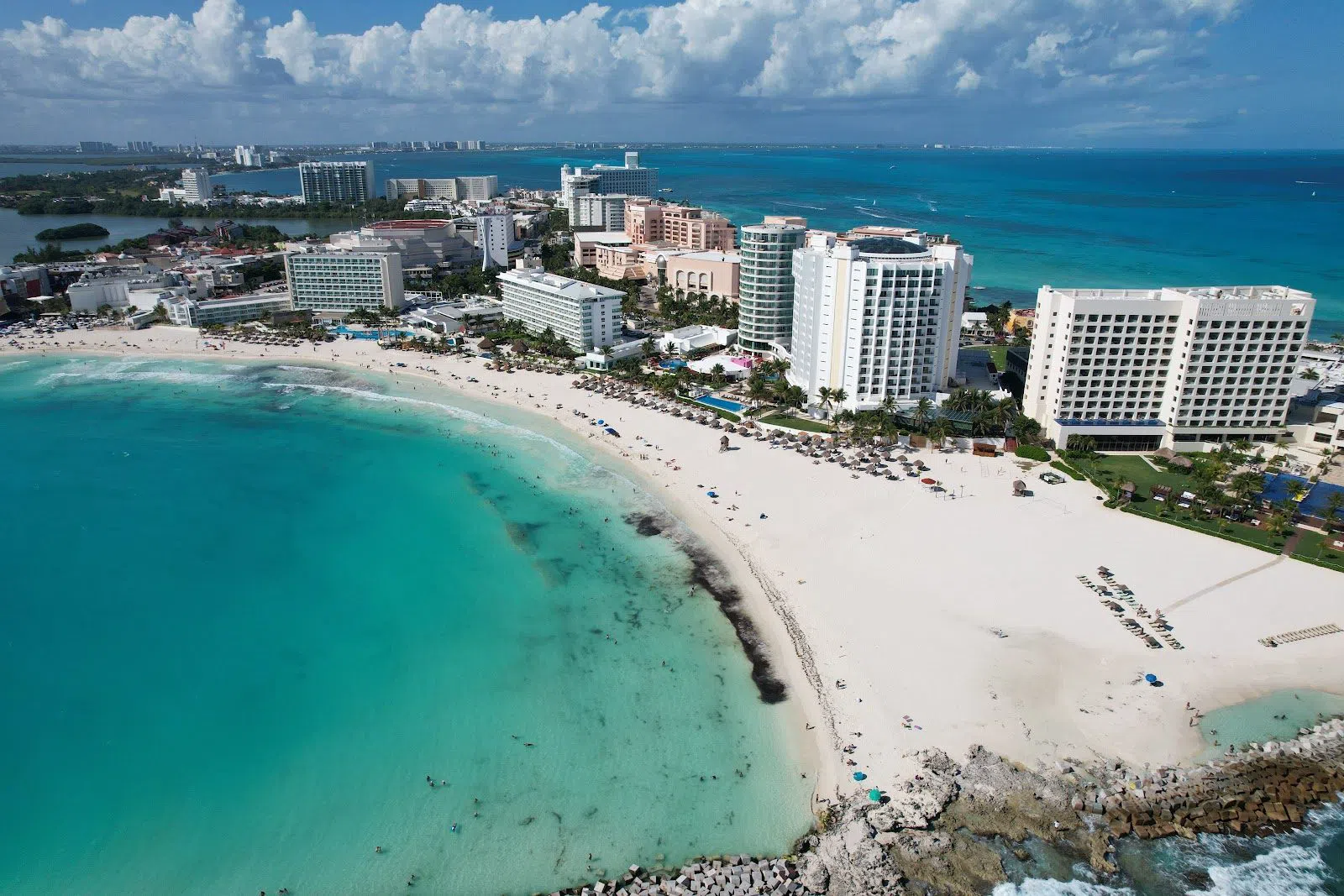
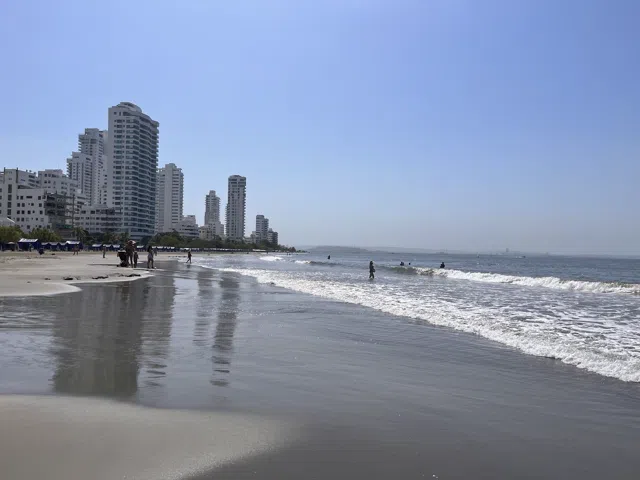
Boulevard Kukulcán runs the length of the Hotel Zone, and the water changes as the kilometre markers climb. Everything north of km 9.5 faces the sheltered Bahía de Mujeres, so the sea is flat and shallow. Round the point at Punta Cancún and the open Caribbean takes over, with yellow and red flags to match.
Playa Langosta for flat water
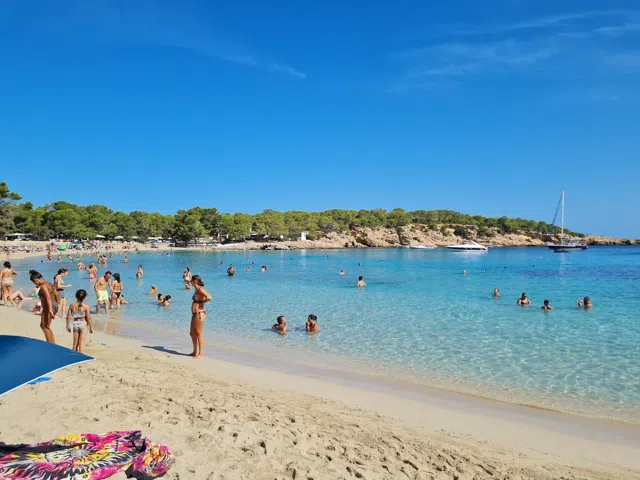
Playa Langosta, at km 5 on the bay side, has the calmest swimmable water on the strip. It's free, with no wristband and no time limit on the sand. The sea stays about knee-deep for the first several metres out, which is why this is the beach for a nervous swimmer or a toddler. There's a lifeguard tower, and toilets and showers by the car park. There's also a children's play area and wheelchair ramps. You can rent an umbrella, a lounger or a kayak.

Come by taxi or bus. Since June 2026 a private security barrier has gated the car park, and at weekends the queue for it backs up onto the boulevard. The wooden pier out in the middle of the bay belongs to tour boats, so don't arrive here expecting a ferry to Isla Mujeres.
Plan your Cancun trip
Live prices from our booking partners.
Free cancellation on many rooms. We may earn a commission when you book.
Las Perlas and its ramps
Playa Las Perlas is the first public beach you reach coming out of downtown, at km 2 to 2.5. It's a short crescent of white sand on the same sheltered bay, with water barely ankle-deep at the edge. It reopened in 2024 as an accessible beach. There are ramps, matting paths that run into the water, and accessible toilets. Wheelchairs and amphibious chairs are lent free, but there are only a few of each. It holds Blue Flag certification for the 2026-2027 season.
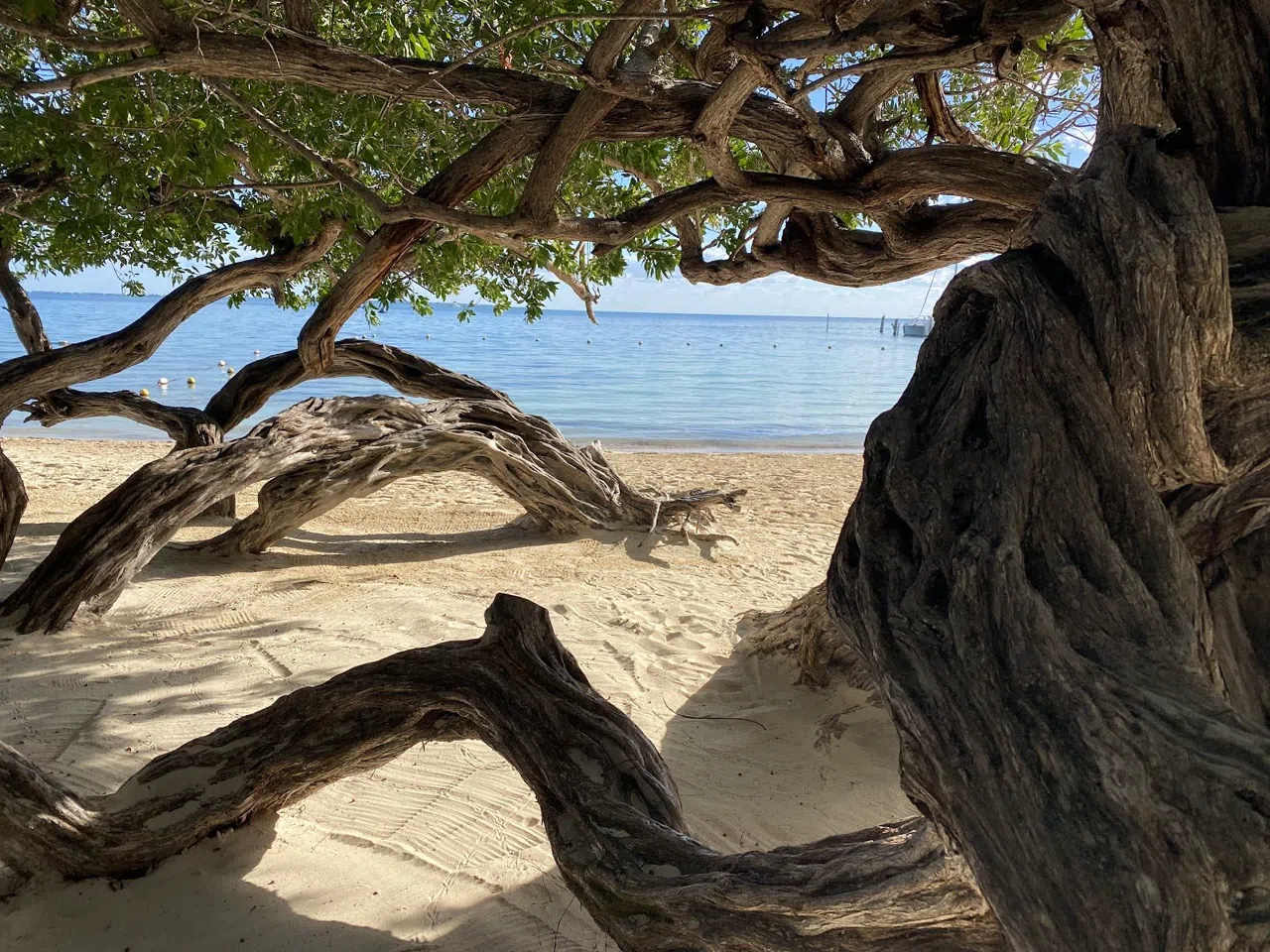
Bring food and water. There's a handful of public palapas and a free play area, but no restaurant on the beachfront and no alcohol sold on the sand. The bus stop is about 200 metres away, a quarter of an hour from downtown.
Boats from Tortugas and El Embarcadero
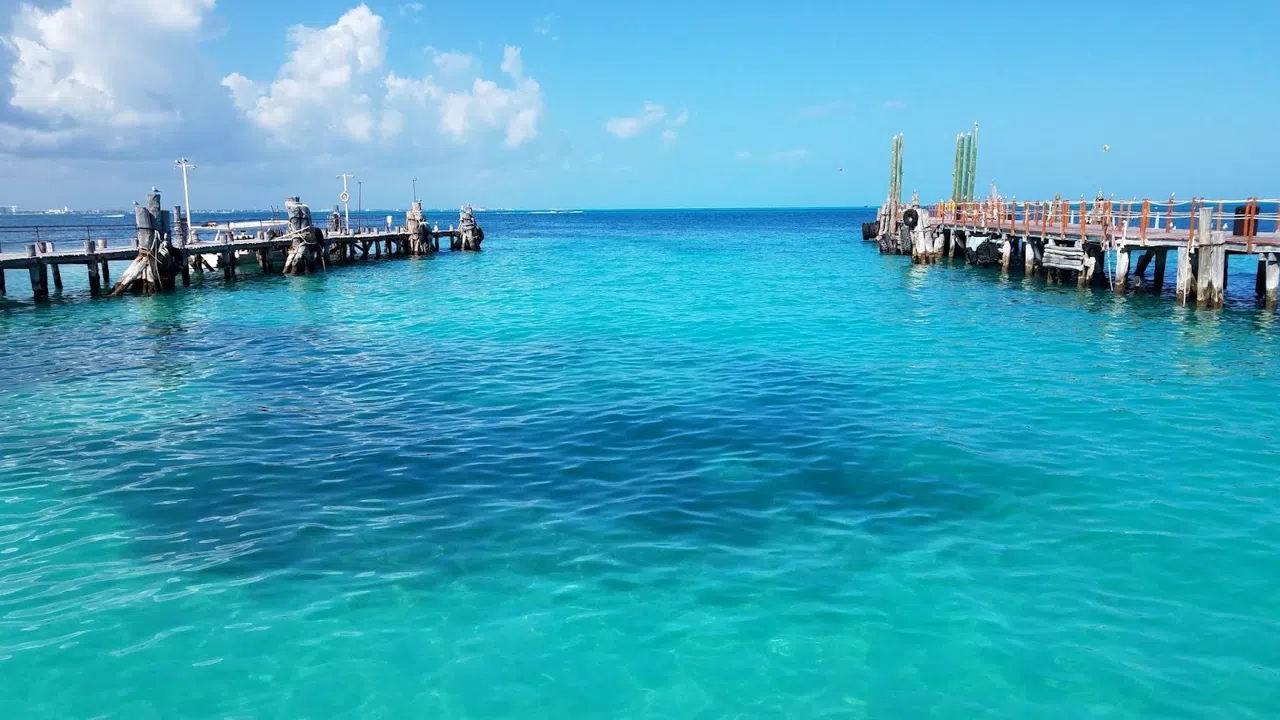
Playa Tortugas wraps around a ferry terminal at km 6 to 6.5. The water is calm with low waves and a sandy bottom close in. It deepens and cools toward the piers and the boat channel, and the swell picks up through the afternoon. There are toilets and freshwater showers, and some bars throw in a lounger and umbrella with a drink or a meal. Ultramar's boats to Isla Mujeres go seven times a day, the first at 9:15 a.m. and the last one back from the island at 7:00 p.m. An adult crossing is 290 pesos one way or 580 pesos return, plus a 36.56-peso environmental fee, and takes about half an hour. Be at the pier half an hour before you sail. The quiet hour here is early, before that first ferry. From mid-morning you get boat engines, music and a steady run of tour touts.
El Embarcadero, at km 4 to 4.5, is a dock on the Nichupté lagoon. The water is very still and not clear, and the swimming area is small, so come for the boat and nothing else. Xcaret's Xailing ferries to Isla Mujeres leave roughly hourly from about 9:00 a.m., the last return is around 8:00 p.m., and the crossing takes 20 to 30 minutes. Adults pay 290 pesos one way or 560 pesos return, children aged six to 11 pay 220 pesos one way, and under-fives travel free. Catamaran and snorkelling trips board here as well, and your voucher is just as likely to say Tortugas, so check which pier you need before you set off. To swim, walk 12 minutes east to Langosta.
Playa Caracol at Punta Cancún
Playa Caracol is the last of the sheltered beaches, a pocket of white sand on the north face of Punta Cancún at km 8.5 to 9.5. It's free, and you don't need to be staying in the towers behind it. The shallows are clear and the waves are gentle. There's no reef off the sand, so leave the snorkel in the room.
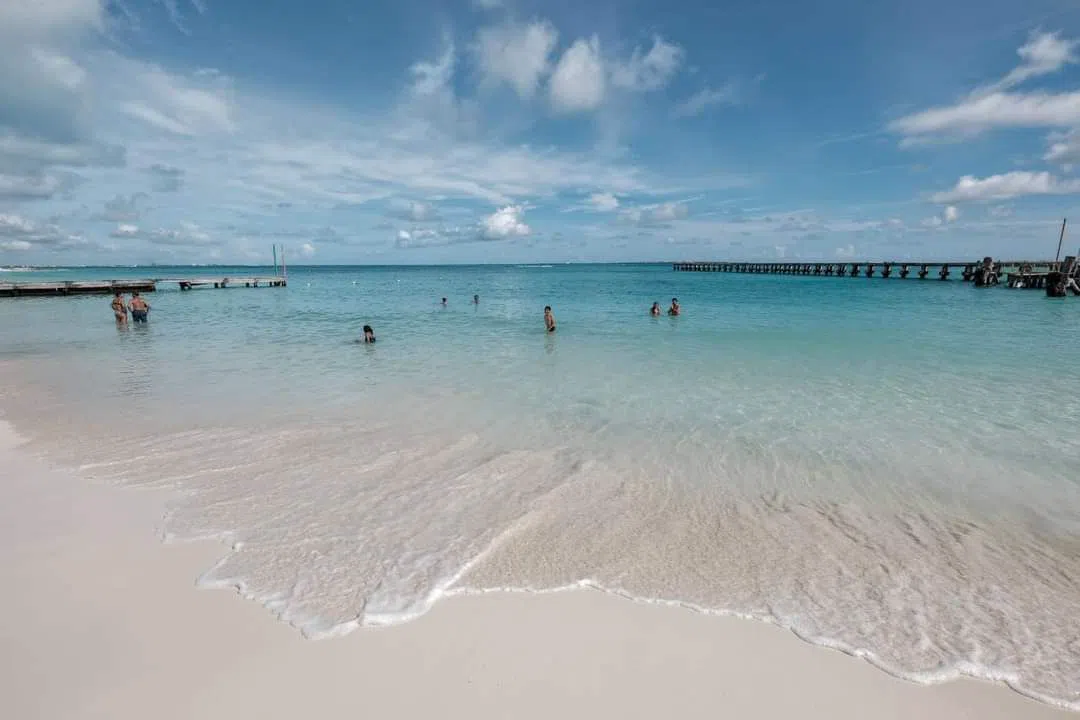
Shade isn't guaranteed and the toilets and showers are limited, so most people walk the few minutes to the cafés at Plaza Caracol. Loungers and umbrellas are for rent on the sand. Lifeguard cover varies with the season, so read the flag when you arrive and don't assume someone is watching the water. Ultramar's pier sits on this beach with its terminal at km 9.5, and boats to the island run from 9:00 a.m., with the last return at 7:00 p.m.
Where the waves start
Playa Gaviota Azul is at km 9.5 behind Plaza Forum, reached down a walled pedestrian alley of about 110 metres between Coco Bongo and Mandala Beach. It's free, and a minute or two from the boulevard. This is the first beach facing open water, so the surf rolls in on a steeper shelf and conditions change quickly. Red flags went up on eight Cancún beaches, this one included, on 2 October 2026.
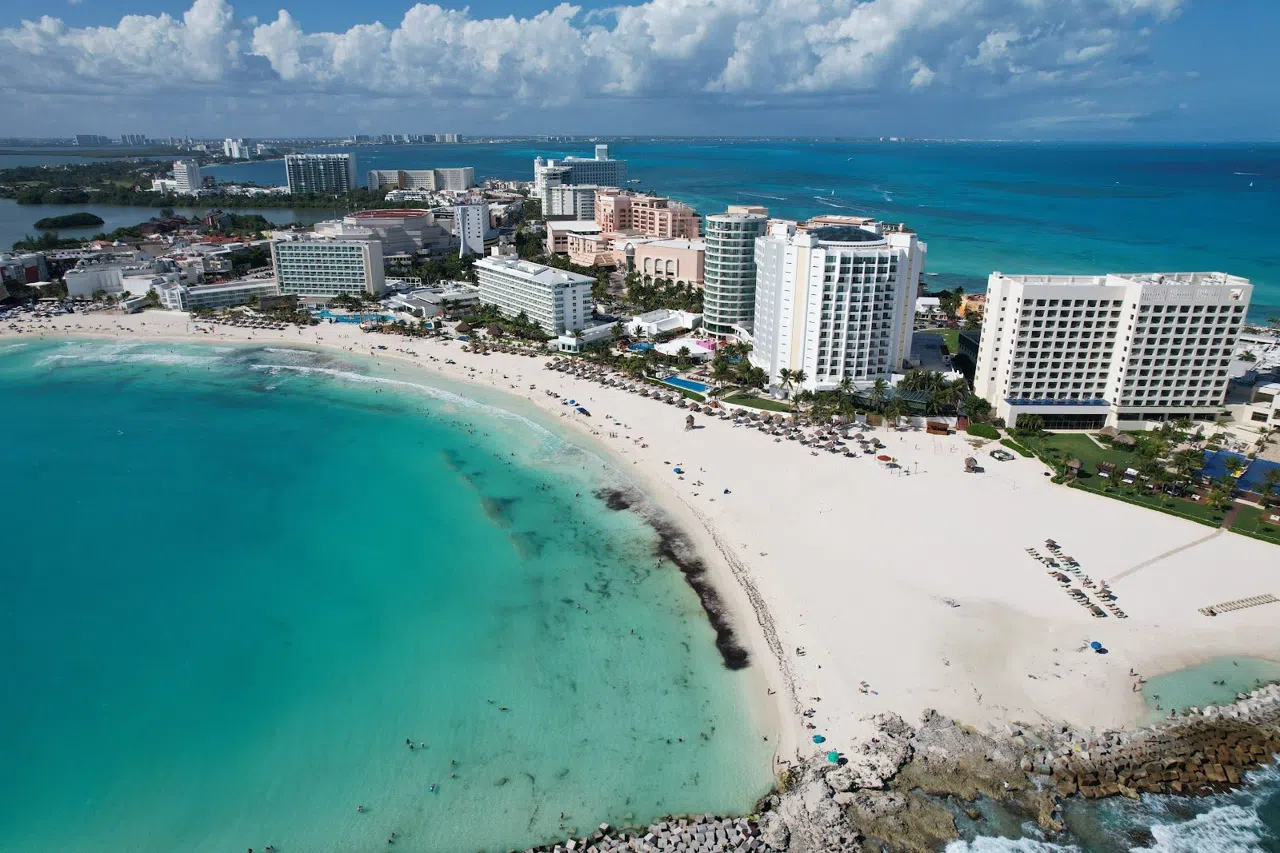
Don't count on a lifeguard being on duty. The calmest window is 8:00 to 10:00 a.m., and March and April are the busiest months. There are no showers on the sand and the toilets are inside Plaza Forum. With small children, stay north of the point.
A day on Isla Mujeres
When the flags stay red all week, give a day to Playa Norte on Isla Mujeres. It faces west into the bay, and you can wade out waist-deep for 50 metres in clear water. Sargassum is usually light or absent. A cold front in March 2026 pushed more than 50 tonnes of it onto the beach, so check the Quintana Roo sargassum traffic light first.
Ferries go from Tortugas and Caracol, or from El Embarcadero on Xailing. Puerto Juárez has far more departures, from 5:30 a.m. to 11:00 p.m., and the crossing from there is 15 to 20 minutes. From the island pier the beach is about 0.9 km away, roughly 11 minutes on foot, or you can take a taxi or a rented golf cart. Carry pesos, as the beach clubs quote their minimum spend in pesos.
Buses, flags and ferries
All of these beaches are free to walk onto, so the day turns on the flag at the water's edge. The R-1 and R-2 buses run the length of Boulevard Kukulcán, stop at every beach here and cost 12 pesos, paid in cash as you board. Ferry times vary between operators, so confirm yours before you go.
See the Cancun guide and the Cancun hotel search.
Before you go
Which Hotel Zone beach has the calmest water?
Playa Langosta, at km 5, faces the sheltered Bahía de Mujeres, and the water stays about knee-deep for the first several metres. There's a lifeguard tower, showers and a play area on site, and entry is free with no wristband and no time limit.
Can I walk to a calm beach from Punta Cancún?
Yes. Playa Caracol is on the north face of Punta Cancún, km 8.5 to 9.5, it's free, and you don't have to be a hotel guest. The water is clear and shallow close in, but shade and toilets are limited, so plan on the cafés at Plaza Caracol.
Where do the Isla Mujeres ferries leave from in the Hotel Zone?
Ultramar sails from Playa Tortugas and Playa Caracol, and Xcaret's Xailing boats leave from El Embarcadero at km 4 to 4.5. Catamaran trips board at El Embarcadero or Tortugas, so check which pier your trip names.
Is any Cancún beach suitable for a wheelchair?
Playa Las Perlas at km 2 to 2.5 reopened in 2024 as an accessible beach, with ramps, matting paths that run into the water and accessible toilets. You can borrow a wheelchair or an amphibious chair free, but there are only a few of each.
Why does the sea get rough south of the hotels at Punta Cancún?
At about km 9.5 the coast turns to face the open Caribbean, and the first beach on that side is Playa Gaviota Azul. The surf there breaks on a steeper shelf and conditions change fast: red flags went up on eight Cancún beaches on 2 October 2026. With young children, stay on the bay side.